You Have Two Options…
No One Likes to Think About it... But it is One of the Kindest Things You Can do
Life can change quickly. A Lasting Power of Attorney (LPA) allows you to appoint someone you trust (your “attorney”) to make decisions on your behalf if you are ever unable to do so.
If an LPA is not in place and capacity is lost, families may need to apply for Deputyship through the Court of Protection to get the legal authority to act which can add time, cost and stress at an already difficult moment.
Soteria Estate Planning supports individuals and families across the UK through online appointments (including Zoom) and we can also support you in person where needed.

Most of us assume our partner or family will automatically be able to “handle things” if something happens.
However, if you lose the ability to make decisions for yourself, it may not be straightforward and without the right planning, important choices about your care and finances can become stressful, delayed and out of your hands.
An LPA from Soteria Estate Planning will help to ensure:
It can also help reduce the risk that your loved ones later need to pursue Court of Protection Deputyship to manage your affairs if you lose mental capacity.
Book Your Free Consultation
Option #1: Leave It to Chance
If you become unable to make decisions, your family may not have the authority to act quickly even if they know exactly what you would want. In some situations, families then have to apply for Deputyship via the Court of Protection to gain legal authority to make decisions.
Option #2: Put an LPA in Place
A Lasting Power of Attorney gives you peace of mind now and protection later with a trusted person ready to step in if needed.
We Help Make a Difficult Topic Simple

Putting an LPA in place does not have to feel daunting. We will guide you through your decisions in a manner that is clear, supportive and easy to follow so you feel confident about what you are putting in place.
We will also confirm your understanding as we go by asking the right questions and checking key choices with you, so nothing is missed or misunderstood.
An LPA can help you:
Where families are already facing lost capacity without an LPA, Soteria Estate Planning can also talk through what Court of Protection Deputyship is and what that process involves.

Everything You Need, In One Place
Whether you are looking into LPAs for the first time or want to sense-check what is right for your situation, Soteria Estate Planning is here to help.
We can support you with:
The Two Types of LPA (And What They Cover)
Property & Financial Affairs LPA
This covers practical and financial decisions, such as:
- Managing bank accounts and paying bills
- Handling investments
- Managing business affairs
- Paying for care fees
- Selling property if needed
This type of LPA can be used after it is registered with the Office of the Public Guardian.
Health & Welfare LPA
This covers personal decisions, such as:
- Care needs and day-to-day support
- Medical treatment decisions
- Where you live and the kind of care you receive
- Raising concerns if the care you are receiving is not right
This type of LPA is only used if you lose mental capacity.
Hear From Our Clients
Read more...What To Expect in Your Free Consultation
Your consultation with Soteria Estate Planning is designed to be clear, calm and genuinely helpful.
If you have been meaning to sort an LPA but do not know where to begin, you are not alone.
Your free consultation is a supportive space to ask questions, understand your options and decide what is right for you, without pressure.
We work with clients all over the UK via online appointments (including Zoom) and can also support in person where appropriate.
If you are supporting a loved one who may already lack capacity, we can also explain what Court of Protection Deputyship is and what options may be available.
We will:

Get peace of mind by booking an online meeting with one of our expert advisers
Latest Case Studies

Health Scare Prompted Urgent LPA Planning
A retired gentleman contacted Soteria Estate Planning following a recent health scare that prompted him to think more carefully... [Read More]

Tailored Estate Plan: Protecting Future Generations
An elderly couple with significant business and property interests approached Soteria Estate Planning looking for a comprehensive... [Read More]
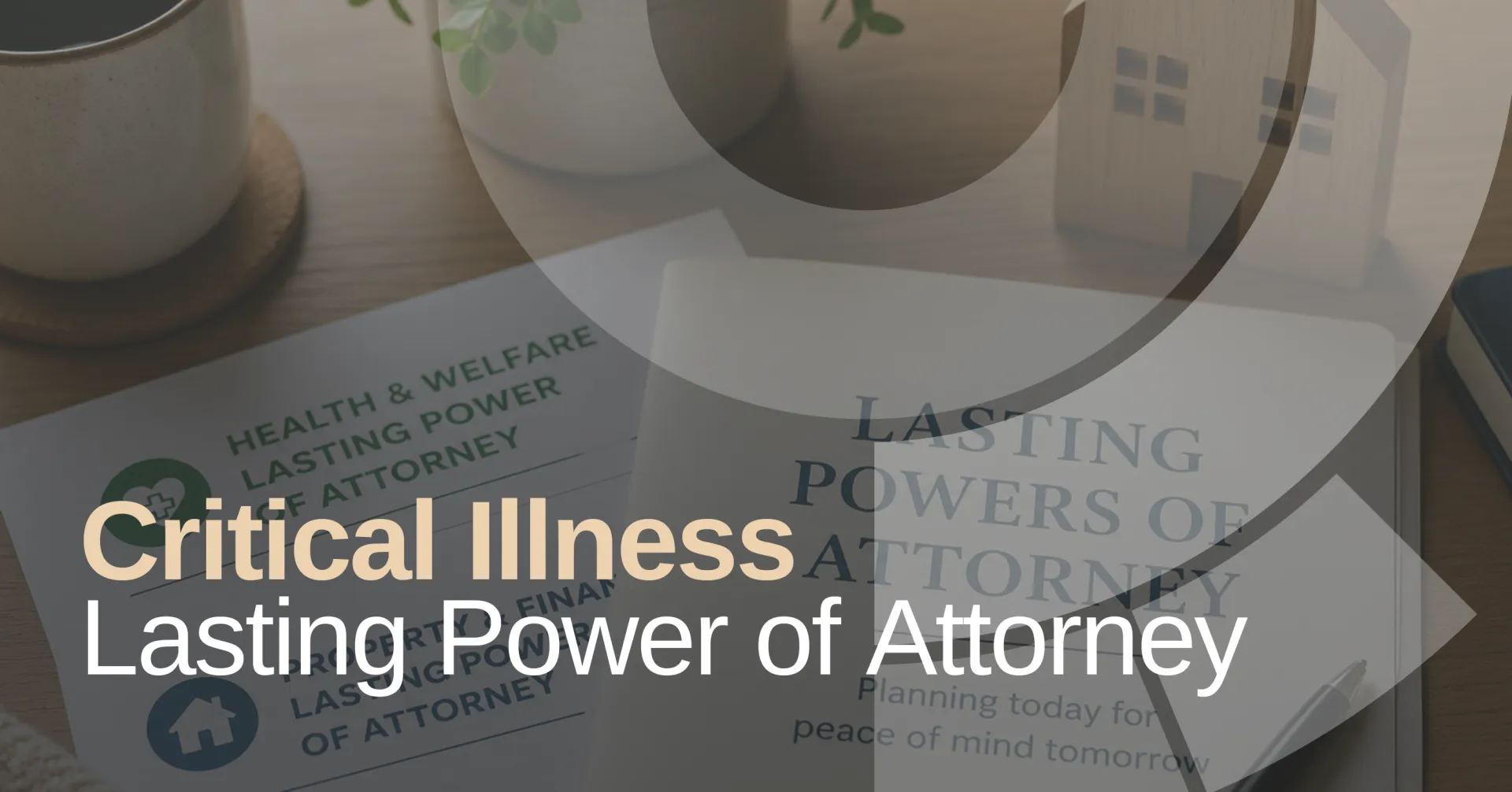
Planning for the Unexpected: Why Lasting Powers of Attorney Matter
Many people focus their planning on what happens when they die, ensuring they have a Will in place and that their loved ones are... [Read More]
Common Questions About Lasting Power of Attorney, Deputyship & The Court of Protection
What is a Lasting Power of Attorney (LPA)?
A Lasting Power of Attorney allows you to appoint a trusted person to make decisions for you if you are unable to make them yourself.
Do I need an LPA if I'm married?
Many people assume a spouse can automatically make decisions. In reality, an LPA is how you formally give someone the authority to act for you if you lose mental capacity.
Can my spouse make medical decisions without an LPA?
Healthcare teams will listen to your family but without an LPA the final decision-making authority may sit with medical professionals. An LPA helps ensure someone you choose can represent your wishes.
Is it ever "too early" to set up an LPA?
It is never too early. You can only set up an LPA while you have mental capacity, so putting it in place sooner can remove future stress.
Do I lose control if I set up an LPA?
No. You remain in control while you can make your own decisions. Your attorney steps in only if you are unable to do so.
When can an LPA be used?
A Property & Financial Affairs LPA can be used once registered with the Office of the Public Guardian. A Health & Welfare LPA is only used if you lose mental capacity.
How long does it take to get an LPA in place?
Timescales can vary. During your consultation we will explain the steps and give you a realistic view of what to expect based on your situation.
How much does an LPA cost in the UK?
Costs depend on what you need (for example, one LPA or both types, and the complexity of your situation). We will explain the expected costs clearly during your free consultation.
Can I appoint my spouse or children as attorneys?
Yes. Many people choose a spouse, adult children or a combination. You can also appoint more than one attorney, depending on what feels right for you.
What happens if I do not have an LPA?
If you lose mental capacity, your loved ones may not have the authority to act quickly. Medical professionals may make decisions, taking family views into account but retaining decision-making authority.
In some cases, families may need to apply for Deputyship through the Court of Protection to get the legal authority to manage someone's affairs after capacity has been lost.
What is Deputyship and the Court of Protection?
Deputyship is a legal arrangement where the Court of Protection appoints someone (a "Deputy") to make decisions for a person who can no longer make decisions for themselves. This is typically used when an LPA is not in place and mental capacity has already been lost.
Are LPAs valid after death?
No. LPAs are only valid during your lifetime.
Can I change or revoke an LPA?
Yes, you can revoke an LPA while you still have mental capacity.

Let’s grab a coffee, jump on zoom or have a chat!
You’ll no doubt have discovered by now that we’re a friendly bunch, and we love to chat!
If you’re not quite ready to move, have a question about your local area, or want to find out more about life at Soteria Estate Planning, we’re all ears.